

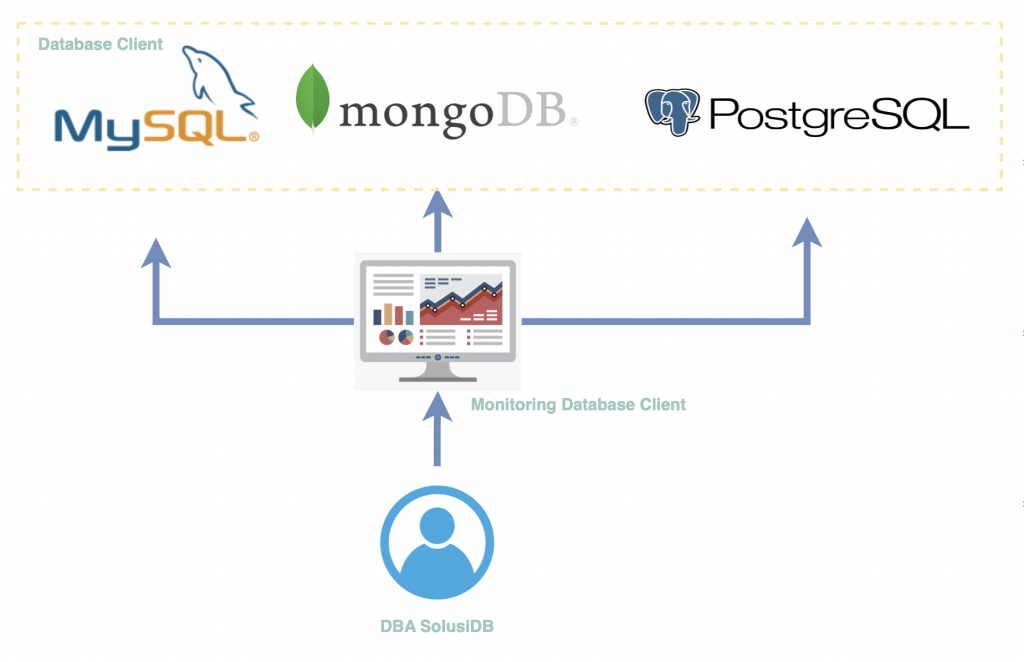
Database monitoring is a critical aspect of database management that ensures the performance, availability, and integrity of database systems. Below is a comprehensive scope of database monitoring:
- Performance Monitoring:
- Query Performance: Monitor slow-running queries, analyze execution plans, and identify potential bottlenecks.
- Resource Utilization: Track CPU, memory, disk I/O, and network I/O usage to identify performance issues.
- Transaction Monitoring: Monitor the rate of transactions and evaluate locks and deadlocks.
- Availability Monitoring:
- Uptime Monitoring: Track database uptime and downtime incidents, ensuring high availability.
- Replication Status: Monitor the health of any database replication processes to guarantee data consistency across instances.
- Backup Validations: Ensure that backups are performed as scheduled and are valid for recovery purposes.
- Security Monitoring:
- User Activity Monitoring: Track user access patterns, logins, and permission changes, identifying any suspicious activities.
- Audit Logs: Regularly review audit logs for compliance and security audits.
- Vulnerability Detection: Monitor for vulnerabilities and potential threats to the database environment.
- Capacity Planning:
- Storage Monitoring: Keep track of storage consumption and forecast future needs based on growth trends.
- Performance Thresholds: Establish and monitor thresholds to identify when upgrades or adjustments are required.
- Error and Exception Monitoring:
- Error Logs: Monitor database error logs for warnings, errors, and anomalies.
- Alerts and Notifications: Set up alerts for critical issues, such as hardware failures or significant performance drops.
- Configuration Monitoring:
- Parameter Changes: Track changes to database configuration parameters and their impact on performance.
- Version Changes: Monitor database version changes to ensure compatibility and stability.
- Health Checks:
- Regular Health Assessments: Implement periodic health checks of the database to assess overall performance and configuration.
- Integrity Checks: Run data integrity checks to ensure there are no corruption issues within the database.
- User Experience Monitoring:
- End-User Performance: Monitor response times from the user’s perspective, particularly for applications dependent on database performance.
- Reporting and Analytics:
- Dashboards: Create dashboards for real-time visibility into the database performance metrics.
- Historical Analysis: Analyze historical data to identify trends and performance improvements over time.
- Integration with Other Tools:
- Ensure that database monitoring tools integrate with other IT management and monitoring solutions for a holistic view.
By implementing comprehensive database monitoring, organizations can proactively manage their database environments, enhancing performance, maintaining security, and ensuring high availability for critical data systems.